Guide to Getting a Bachelors Abroad
Navigating the process of obtaining a undergraduate degree in a foreign country demands thorough evaluation of numerous aspects. Applicants need to consider universities and destinations based on learning quality, scholarship availability, and cultural alignment. Being aware of visa prerequisites is critical for a successful adjustment. Still, the adventure encompasses much more than planning. Acclimating to new settings and preserving ties to one's homeland are fundamental in defining the overall journey. What challenges and opportunities await students on this path?
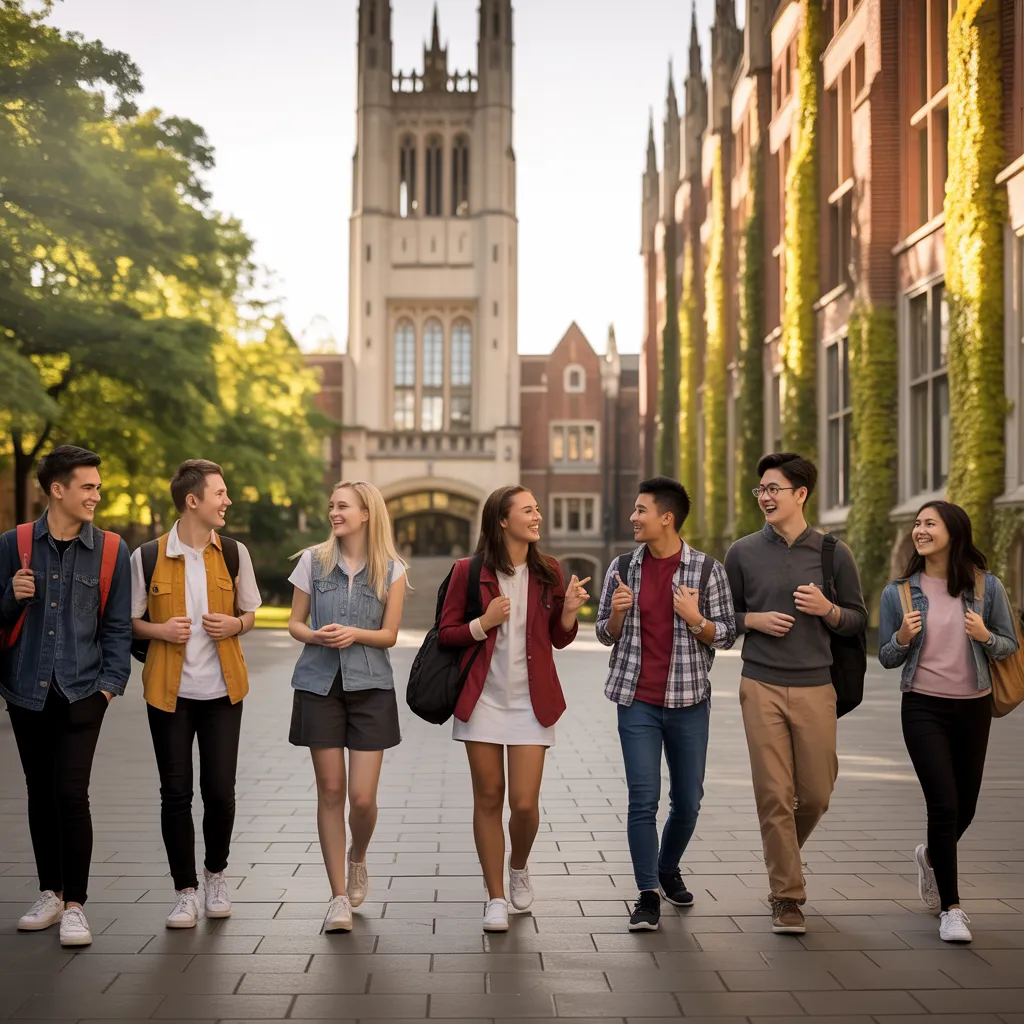
What Key Factors Should You Evaluate When Selecting a Country?
When choosing a destination for a bachelor's program abroad, what important factors should be taken into account? For starters, the quality of education is the highest priority; future students ought to investigate institutional rankings, instructor expertise, and the curriculum's relevance to their field of study. Second, language plays an important role; students should determine whether they are at ease learning in the native language or if programs in English are available.
Cultural compatibility is another important consideration; comprehending the local society, traditions, and way of life can significantly shape the overall experience. Moreover, safety and political stability represent vital aspects to evaluate; students ought to research the nation's safety record and prevailing political environment. Finally, proximity to home and travel opportunities can affect personal preferences and overall satisfaction. By weighing these factors carefully, students can make informed decisions that align with their academic and personal aspirations.
How to Access Funding and Scholarships for Your Study Abroad Journey
Acquiring funding and scholarships is vital for those seeking a bachelor's degree in a foreign country. Various types of scholarships exist, addressing diverse requirements and eligibility criteria, and understanding these options can greatly enhance financial accessibility. Moreover, utilizing strong application approaches can increase the likelihood of success in the competitive scholarship landscape.
Available Scholarship Types
While obtaining a baccalaureate degree abroad can be a transformative experience, being aware of the various scholarships offered is vital for controlling financial obligations. Various scholarships cater to different needs and circumstances. Merit-driven scholarships honor superior academic achievement, while financially focused scholarships support students facing economic difficulties. A number of academic institutions extend targeted scholarships to international students in support of diversity. Additionally, government-backed programs such as Fulbright or Chevening deliver significant financial aid for studying internationally. Private organizations and foundations also contribute funding through scholarships aimed at specific fields or regions. In addition, certain nations provide scholarships to draw international talent, increasing the accessibility of higher education. Investigating these opportunities can significantly reduce the financial strain of international education.
Helpful Tips For Application Success
Steering the scholarship application process can greatly enhance a student's prospects for receiving funding for overseas education. To enhance their chances, students should begin by researching various scholarships that correspond to their academic goals and personal backgrounds. Writing a strong personal essay is crucial; it should clearly articulate goals and ambitions. In addition, securing powerful recommendation letters from instructors or academic supervisors can deliver significant reinforcement. Students must also pay close attention to application due dates and specifications, guaranteeing all components are filed punctually. Moreover, highlighting pertinent accomplishments, such as volunteering or internships, can set an applicant apart. Finally, keeping a systematic method allows for diligent monitoring of submissions and responses, thus enhancing the prospects of obtaining financial support.
Navigating Visa Requirements for Your Selected Country
Comprehending visa requirements is crucial for students planning to study abroad. Various countries offer different categories of student visas, each with specific criteria and application processes. Maneuvering through these requirements can significantly affect a student's ability to pursue their education internationally.
Different Types Of Student Visas
Steering through the world of student visas is crucial for prospective students pursuing a college education abroad. Different countries offer various types of student visas, with each carrying its own conditions and allowances. For example, the F-1 visa in the United States permits students to engage in full-time studies, while the Tier 4 visa in the United Kingdom functions in much the same way. Certain nations, like Canada and Australia, provide specific visas that permit students to work part-time during their studies. Furthermore, certain nations may have specific requirements based on how long the course runs or the accreditation status of the institution. Recognizing these variations is essential for students planning to study abroad to secure proper compliance and identify the most suitable visa for their academic pursuits.
Summary of the Application Process
Working through the application process for a student visa demands careful attention to the specific requirements of the chosen country. Every country has distinct regulations, documentation, and timelines that must be followed. In most cases, applicants are required to gather essential documents such as proof of admission, financial statements, and health insurance. Moreover, some destinations may mandate a language proficiency test or a medical examination.
It is essential for prospective students to initiate the application process well in advance, as visa processing times can fluctuate considerably. It is equally important to become familiar with the embassy or consulate's guidelines, as they provide detailed instructions and any updates on requirements. Ultimately, diligent preparation paves the way for a smoother journey toward pursuing studies abroad.
How to Pick a University That Supports Your Goals?
How does one go about choosing a university that suits their educational and career objectives? Initially, students ought to determine their precise ambitions, encompassing their chosen areas of study and future career plans. Researching universities with strong programs in those areas is vital. Prospective enrollees can make use of web-based resources, scholarly rankings, and alumni communities to gauge the caliber of academic instruction available.
Moreover, elements like location, campus culture, and available extracurricular activities must be evaluated. A nurturing environment can greatly enhance the complete university experience. Additionally, potential enrollees should consider the college's ties to sectors pertaining to their areas of study, as networking opportunities and internships can play a pivotal role in professional growth.
Lastly, considering monetary factors, including tuition fees and living expenses, is vital. By considering these elements, applicants can reach well-informed choices that correspond with their ambitions, guaranteeing a rewarding and productive educational experience overseas.
Adjusting to Cultural Distinctions in Your New Surroundings
When adjusting to a new culture can be challenging, embracing the differences can lead to fulfilling outcomes. Students living overseas often encounter novel social customs, dialects, and societal standards that may seem daunting at first. To handle these cultural changes, it is vital to tackle unfamiliar situations with an willingness to adapt and a desire to grow. Engaging with local communities, attending cultural gatherings, and building connections with native inhabitants can encourage broader comprehension and admiration of the adopted culture.
In addition, maintaining a balance between retaining one's own cultural identity and adapting to the new environment is crucial. Curiosity and open communication can help narrow cultural divides and alleviate feelings of alienation. As individuals embrace the new and unfamiliar, they often develop inner resilience and remarkable adaptability, capabilities that are priceless both for personal growth and professional advancement. Ultimately, these journeys can expand one's worldview and enhance academic growth, making the experience of studying in a foreign country profoundly transformative.
What to Expect While Studying Abroad?
Going to school abroad offers a distinctive mix of enthusiasm and unfamiliarity, as students frequently discover themselves in new academic and social settings. They may encounter different teaching styles, which could range from collaborative group work to independent research projects. Scholars must be ready for varying expectations regarding involvement and due dates.
On a social level, the journey can be profoundly meaningful. Meaningful new relationships may blossom, but adapting to diverse cultural norms and communication styles can present challenges. At first, students may experience feelings of homesickness or isolation, but those challenges commonly lessen as they become part of their detailed information new surroundings.
Additionally, navigating routine activities, for instance getting accustomed to local customs and public transportation, can be challenging yet rewarding. Students are encouraged to build critical thinking abilities and adaptability as they adjust to these new circumstances. In the end, this experience cultivates self-development and a wider perspective, making the challenges worthwhile.
Ways to Keep in Touch With Home While Studying
Staying in touch with home while studying overseas is vital for emotional stability and encouragement. Students can utilize technology to bridge the distance, using video conferencing, chat applications, and social media channels to exchange experiences and keep family and friends informed. Scheduling regular catch-up sessions can create a comforting routine, making it easier to navigate the challenges of studying in a new environment.
In addition, students may want to joining regional expatriate communities or networks, which can supply a supportive network and shared experiences. Mailing postcards or care packages can also strengthen ties and offer a physical link to home. Taking part in cultural pursuits that evoke memories of home, such as preparing traditional meals or observing holidays, fosters a sense of belonging. By intentionally sustaining these bonds, students can enhance their overall study abroad experience, ensuring they feel supported and less isolated during their educational journey.
Common Questions and Answers
What Are the Best Countries for International Students?
Many nations are celebrated for accommodating international students, including the United States, Canada, the United Kingdom, Australia, and Germany. Such destinations present varied academic programs, unique cultural encounters, and valuable opportunities for both personal and scholarly advancement.
How Do I Locate Student Accommodation Overseas?
To discover international student lodging, one should explore campus housing opportunities, online housing platforms, and local property listings. Networking with fellow students and seeking recommendations can further yield helpful guidance into suitable living arrangements.
Can I Be Employed While Studying in a Foreign Country?
Indeed, a large number of international students can work while pursuing their education abroad, in accordance with the applicable visa requirements. Working part-time can provide beneficial professional experience and contribute to covering everyday living costs, but carefully managing academic and work obligations remains vital for academic success.
What Type of Health Insurance Do I Need When Studying Abroad?
International students generally need extensive health insurance that includes coverage for repatriation, hospitalization, and medical emergencies. It is essential to verify the host nation's insurance requirements and ensure the policy provides coverage for ongoing medical needs and pre-existing conditions.
How Can I Improve My Language Skills Before Leaving?
To improve language skills before leaving, one should participate in consistent practice through apps, language exchange programs, online courses, and immersive experiences with native speakers. Studying books and viewing films in the target language also proves highly beneficial.